In Stock
See A Prescriber Now
Peptides
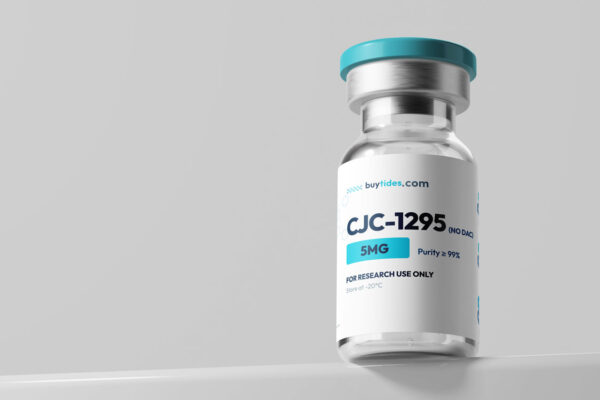
CJC-1295 (NO DAC)
CJC-1295 No DAC is a synthetic analog of the GHRH (1-29) peptide sequence, engineered for greater…
$110.00
For laboratory & research use only — not for human or veterinary use
Same-day shipping on orders by 2pm EST
USA sourced · USA shipped
Free shipping on orders over $150
4.9/5 from 1,200+ verified researchers
≥99% purity — HPLC + mass spec
Endotoxin tested · sterility verified
COA on every batch
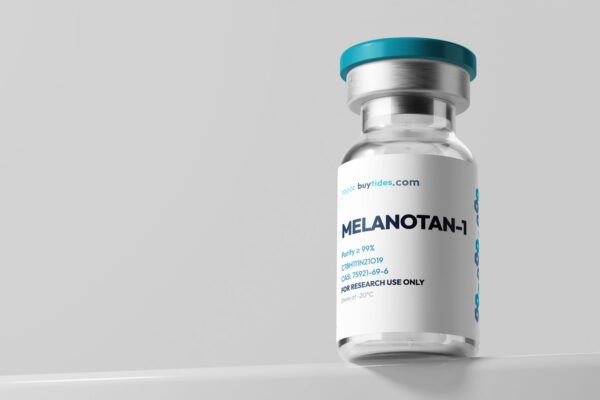
Melanotan 1 is a synthetic analogue of alpha-melanocyte-stimulating hormone (α-MSH), the naturally occurring peptide your body cleaves from proopiomelanocortin (POMC) to regulate pigmentation. Structurally, the Melanotan 1 peptide is a 13-amino-acid chain identical to native α-MSH except at two positions — a norleucine substitution at residue 4 and a D-phenylalanine at residue 7. Those two swaps are what make the molecule useful in research: native α-MSH is broken down by enzymes within minutes, while the modified sequence resists that degradation and stays active far longer, which is why Melanotan 1 is also referred to as NDP-MSH or afamelanotide.
Compound Name: Melanotan-1
Strength: 10mg
Format: Research Peptide
Appearance: Lyophilized Peptide Powder
Purity: ≥ 99% (HPLC Verified)
Storage: −20°C recommended
This product requires a Doctor Referral to be purchased.
See A Prescriber NowPurity guarantee. If an independent assay of your lot returns below the purity stated on its certificate, we replace the order or refund it in full — no return shipment required.
Sold for laboratory research and further manufacturing use only. Not a drug, food, cosmetic, or dietary supplement. Not for human or veterinary use, and not for diagnostic or therapeutic purposes. Buyer is responsible for compliance with all applicable regulations.
Lyophilized Research Compound
The Melanotan 1 peptide works by binding to melanocortin-1 receptors (MC1R) on the surface of melanocytes, the pigment-producing cells in the basal layer of the epidermis. Receptor activation raises intracellular cAMP, which signals through protein kinase A and the transcription factor MITF to upregulate tyrosinase — the rate-limiting enzyme in melanin synthesis. The result is increased melanogenesis, with production shifted toward eumelanin, the darker, more photoprotective pigment, rather than the lighter pheomelanin. Newly formed melanin is packaged into melanosomes and transferred to surrounding keratinocytes.
Melanotan-1 is a synthetic 13-amino acid analog of alpha-melanocyte-stimulating hormone, also known as afamelanotide or [Nle4-D-Phe7]-alpha-MSH. It is supplied in 10mg vials as a reference compound for laboratory research only.
Melanotan-1 is a linear 13-residue peptide, Ac-Ser-Tyr-Ser-Nle-Glu-His-D-Phe-Arg-Trp-Gly-Lys-Pro-Val-NH2, with the molecular formula C78H111N21O19, a molecular weight of 1646.87, and CAS number 75921-69-6.
Melanotan-1 acts primarily at the melanocortin-1 receptor (MC1R) on melanocytes. This receptor preference is the main structural distinction between Melanotan-1 and the non-selective analogs in the same family.
MC1R activation raises intracellular cAMP, signaling through protein kinase A and the transcription factor MITF to upregulate tyrosinase, the rate-limiting enzyme in melanin synthesis. Production shifts toward eumelanin, the darker and more photoprotective pigment, rather than pheomelanin.
Melanotan-1 is a linear 13-residue peptide acting primarily at MC1R. Melanotan-2 is a cyclic 7-residue peptide and a non-selective agonist across MC1R, MC3R, MC4R, and MC5R. The selectivity difference is the reason the two are studied separately rather than interchangeably.
Afamelanotide is the international nonproprietary name for Melanotan-1. Both names refer to the same 13-residue peptide, and the literature uses them interchangeably.
Norleucine at position 4 and D-phenylalanine at position 7 replace the native residues of alpha-MSH. Both substitutions increase resistance to enzymatic degradation and improve receptor binding, which is why native alpha-MSH is rarely used directly in extended assays.
Common applications include MC1R binding and activation assays, melanogenesis and tyrosinase expression studies, cAMP signaling in melanocyte models, and receptor-selectivity comparisons across the melanocortin family.
Melanotan-1 ships as a lyophilized powder in a sealed vial. It is soluble in bacteriostatic water; consult the certificate of analysis for the solvent recommendations that apply to your lot.
Purity is 99% or greater as verified by HPLC. Lot-specific results are reported on the certificate of analysis accompanying each vial, and that figure is what our purity guarantee is measured against.
Store the lyophilized vial at -20 degrees Celsius, protected from light and moisture. Once reconstituted with bacteriostatic water, refrigerate the solution at 2-8 degrees Celsius and follow your laboratory's established protocols.
Orders leave the same business day when placed before 2pm EST, in an insulated mailer with a phase-change pack. Shipping is free on orders over $150.
Our peptides require a doctor referral. If you do not have one, use the Get a Prescription button to start a telehealth consultation, and your approved products will unlock on your account.
Peptides
CJC-1295 No DAC is a synthetic analog of the GHRH (1-29) peptide sequence, engineered for greater…
Brain & Cognition
Dihexa is a small-molecule angiotensin IV analog investigated in neuroscience research for its role in synaptogenesis…
Anti-Aging & Longevity
GHK-Cu is a naturally occurring copper-binding tripeptide found in human plasma, saliva, and urine. Plasma levels…
GLP & Metabolic Peptides
Cagrilintide is a long-acting synthetic amylin analog studied in laboratory research for amylin and calcitonin receptor…
GLP & Metabolic Peptides
Semaglutide is a GLP-1 receptor agonist and the best-studied drug in its class. It mimics glucagon-like…
GLP & Metabolic Peptides
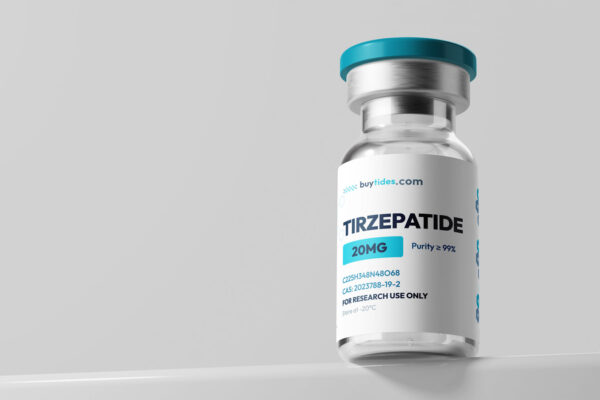
Tirzepatide is a dual-acting peptide that activates two incretin receptors instead of one: GLP-1 and GIP.…
Metabolic & Body Composition
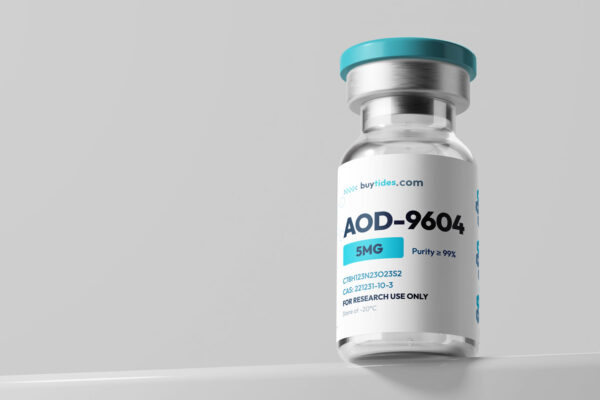
AOD-9604 is a fragment of human growth hormone (HGH): specifically the section responsible for fat metabolism,…
Gut & Inlammation
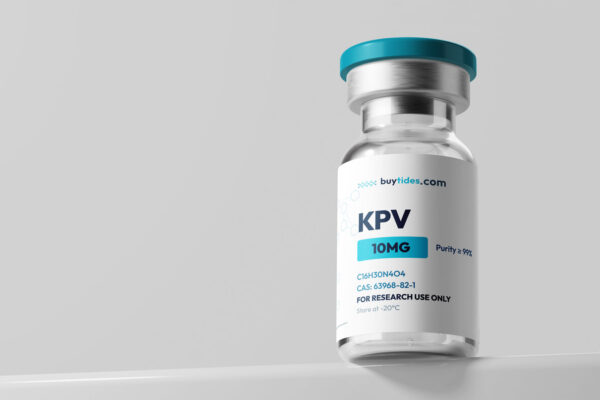
KPV is a synthetic tripeptide composed of lysine, proline, and valine (Lys-Pro-Val), used in laboratory research…
Join the researcher list for restock alerts, COA updates and a 10% code on your first order.
Shop Peptides