In Stock
See A Prescriber Now
GLP & Metabolic Peptides
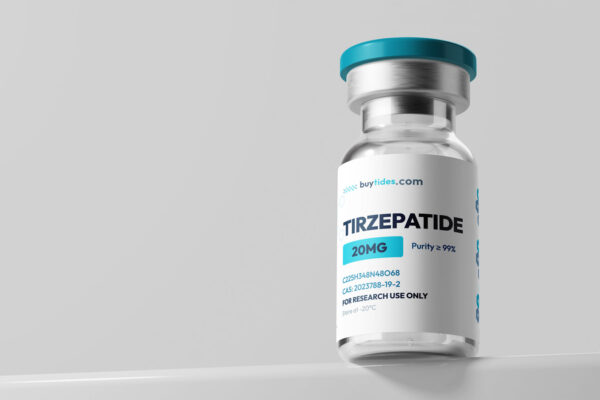
TIRZEPATIDE
Tirzepatide is a dual-acting peptide that activates two incretin receptors instead of one: GLP-1 and GIP.…
$100.00
For laboratory & research use only — not for human or veterinary use
Same-day shipping on orders by 2pm EST
USA sourced · USA shipped
Free shipping on orders over $150
4.9/5 from 1,200+ verified researchers
≥99% purity — HPLC + mass spec
Endotoxin tested · sterility verified
COA on every batch
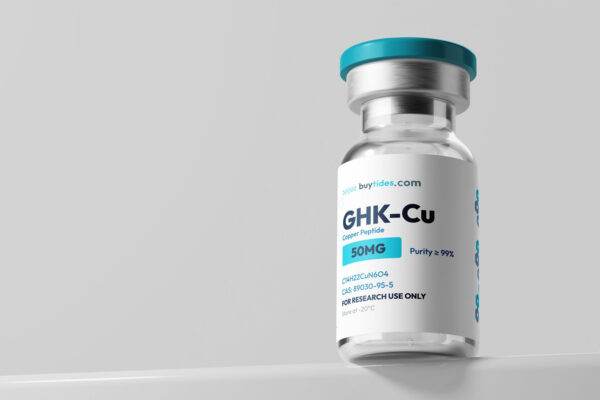
GHK-Cu is a naturally occurring copper-binding tripeptide found in human plasma, saliva, and urine. Plasma levels decline significantly with age. It stimulates collagen, elastin, and glycosaminoglycan synthesis. Beyond aesthetics, GHK-Cu resets genes toward a healthier expression pattern in preclinical research, activates antioxidant pathways, and supports wound healing. It's grouped here under Anti-Aging & Longevity for its cellular effects, but it's just as relevant to Skin & Aesthetics, this is one of the most-used peptides for skin quality specifically.
Molecular Formula: C14H24N6O4Cu
Molecular Weight: 401.9 g/mol
Purity: ≥ 99% (HPLC Verified)
Format: Lyophilized Blue Powder
Storage: Store at −20°C.
This product requires a Doctor Referral to be purchased.
See A Prescriber NowPurity guarantee. If an independent assay of your lot returns below the purity stated on its certificate, we replace the order or refund it in full — no return shipment required.
Sold for laboratory research and further manufacturing use only. Not a drug, food, cosmetic, or dietary supplement. Not for human or veterinary use, and not for diagnostic or therapeutic purposes. Buyer is responsible for compliance with all applicable regulations.
Lyophilized Research Compound
GHK-Cu is a naturally occurring copper-binding tripeptide composed of glycine, histidine, and lysine (Gly-His-Lys). This copper peptide complex is investigated in biochemical research for its role in copper transport mechanisms and peptide-mediated signaling pathways. GHK-Cu is synthesized by solid-phase peptide synthesis and purified by reverse-phase HPLC, with batch analytical documentation available for controlled laboratory investigation.
GHK-Cu is a copper-binding tripeptide composed of glycine, histidine, and lysine (Gly-His-Lys) complexed with copper(II). It is also referred to as copper tripeptide-1 or simply copper peptide, and is supplied as a lyophilized powder as a reference compound for laboratory research only.
Yes. The GHK tripeptide occurs naturally in human plasma, saliva, and urine. Plasma concentrations decline substantially with age, which is why age-related comparisons appear frequently in the research literature. Material supplied for laboratory use is produced synthetically.
GHK-Cu is a three-amino-acid peptide with the sequence Gly-His-Lys, bound to a copper(II) ion. The molecular formula is C14H22CuN6O4, the molecular weight is approximately 403.93 for the copper(II) complex, and the CAS number is 89030-95-5.
The blue color comes from the copper(II) ion coordinated to the peptide, not from the peptide itself. Copper(II) complexes absorb in the red region of the visible spectrum and transmit blue. A blue lyophilized powder is the expected appearance for a correctly complexed lot.
GHK binds copper(II) with high affinity through the histidine imidazole nitrogen, the N-terminal amino group, and the backbone amide nitrogen. This coordination chemistry is what makes GHK-Cu a reference compound in copper transport and copper homeostasis research.
GHK is the free tripeptide. GHK-Cu is the same tripeptide with a bound copper(II) ion. The two behave differently in assays. The copper complex is the form studied in copper transport work, and the two are frequently compared directly in receptor and signaling studies.
Common applications include copper transport and homeostasis studies, collagen, elastin, and glycosaminoglycan synthesis in fibroblast models, extracellular matrix remodeling assays, wound healing models, antioxidant pathway investigation, and hair follicle research models.
Published work by Pickart and colleagues reports that GHK-Cu modulates the expression of a large number of human genes in cultured cell studies, shifting expression patterns in tissue remodeling and antioxidant response pathways. This gene-expression profiling work is among the most frequently cited GHK-Cu research.
Copper tripeptide-1 is the INCI designation for the same Gly-His-Lys copper complex. Copper tripeptide-1 and GHK-Cu refer to the identical molecule under different naming conventions.
GHK-Cu is the most extensively studied copper-binding peptide and serves as the reference compound against which other copper complexes are measured. Other copper peptides differ in their peptide backbone, which changes copper binding affinity and stability in solution.
GHK-Cu ships as a lyophilized blue powder in a sealed vial. It is soluble in bacteriostatic water; consult the certificate of analysis for the solvent recommendations that apply to your lot.
Purity is 99% or greater as verified by HPLC. Lot-specific results are reported on the certificate of analysis accompanying each vial, and that figure is what our purity guarantee is measured against.
Store the lyophilized vial at -20 degrees Celsius, protected from light and moisture. Copper complexes are light sensitive, so protection from light matters more here than for uncomplexed peptides. Once reconstituted with bacteriostatic water, refrigerate the solution at 2-8 degrees Celsius and follow your laboratory's established protocols.
Orders leave the same business day when placed before 2pm EST, in an insulated mailer with a phase-change pack. Shipping is free on orders over $150.
Our peptides require a doctor referral. If you do not have one, use the Get a Prescription button to start a telehealth consultation, and your approved products will unlock on your account.
GLP & Metabolic Peptides
Tirzepatide is a dual-acting peptide that activates two incretin receptors instead of one: GLP-1 and GIP.…
Peptides
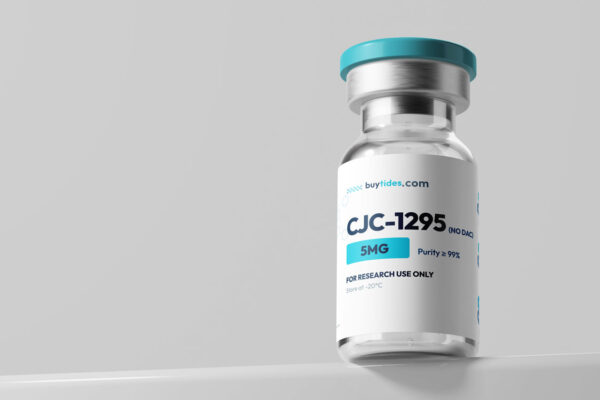
CJC-1295 No DAC is a synthetic analog of the GHRH (1-29) peptide sequence, engineered for greater…
Brain & Cognition
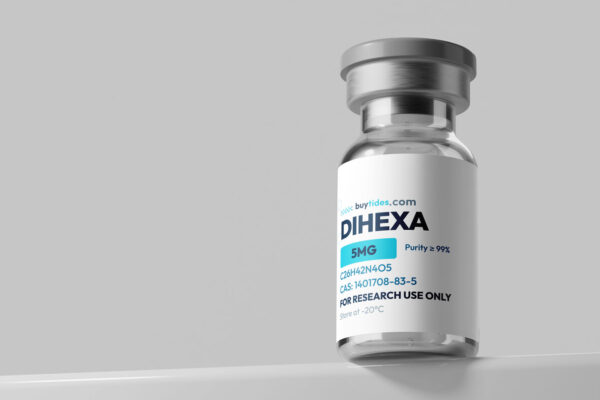
Dihexa is a small-molecule angiotensin IV analog investigated in neuroscience research for its role in synaptogenesis…
GLP & Metabolic Peptides
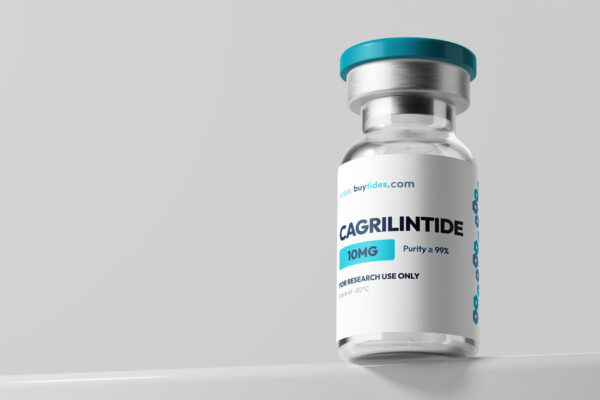
Cagrilintide is a long-acting synthetic amylin analog studied in laboratory research for amylin and calcitonin receptor…
GLP & Metabolic Peptides
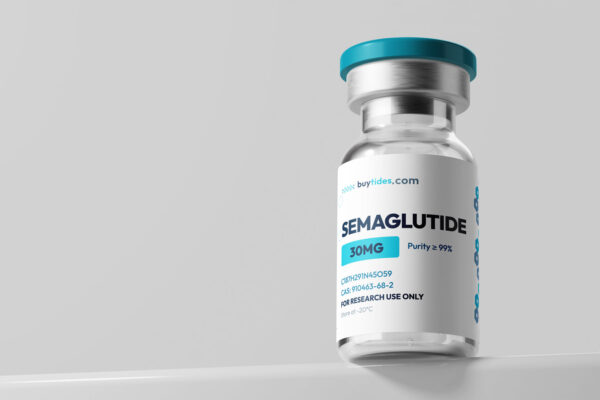
Semaglutide is a GLP-1 receptor agonist and the best-studied drug in its class. It mimics glucagon-like…
Metabolic & Body Composition
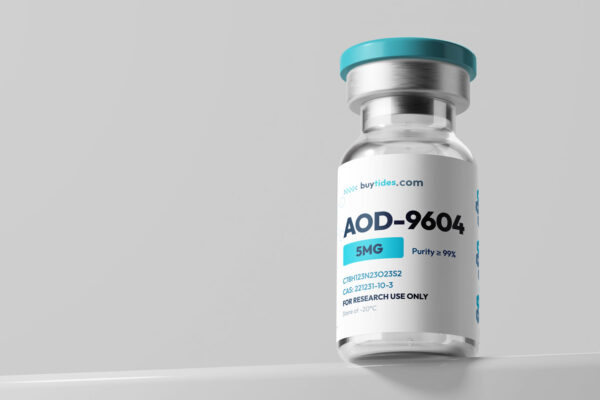
AOD-9604 is a fragment of human growth hormone (HGH): specifically the section responsible for fat metabolism,…
Gut & Inlammation
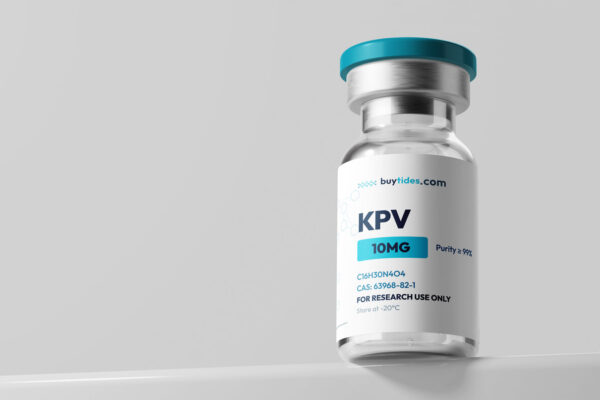
KPV is a synthetic tripeptide composed of lysine, proline, and valine (Lys-Pro-Val), used in laboratory research…
Peptides
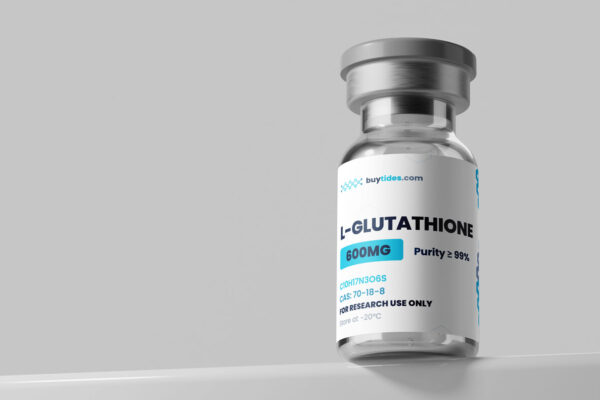
L-Glutathione (GSH) is a synthetic tripeptide built from L-glutamate, L-cysteine, and glycine. In cell biology it…
Join the researcher list for restock alerts, COA updates and a 10% code on your first order.
Shop Peptides