In Stock
See A Prescriber Now
GLP & Metabolic Peptides
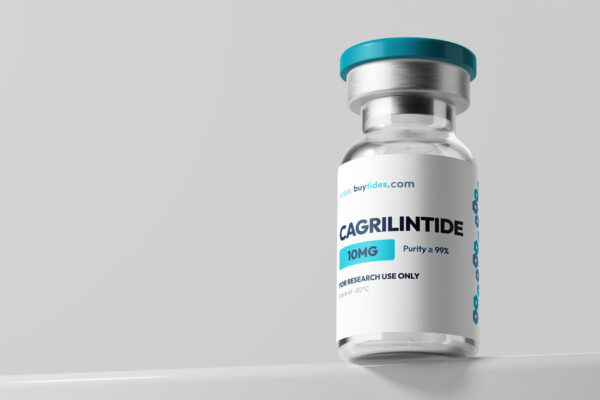
CAGRILINTIDE
Cagrilintide is a long-acting synthetic amylin analog studied in laboratory research for amylin and calcitonin receptor…
$160.00
For laboratory & research use only — not for human or veterinary use
Same-day shipping on orders by 2pm EST
USA sourced · USA shipped
Free shipping on orders over $150
4.9/5 from 1,200+ verified researchers
≥99% purity — HPLC + mass spec
Endotoxin tested · sterility verified
COA on every batch
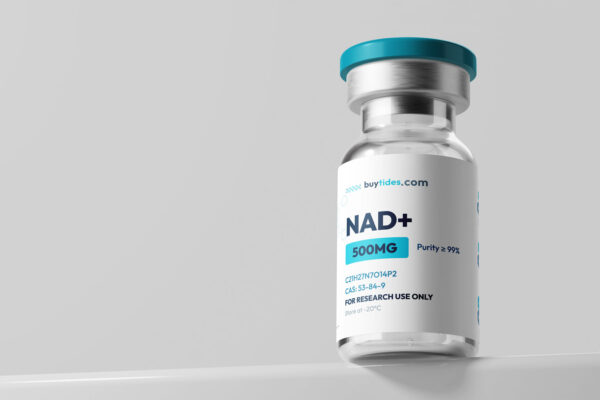
NAD+ (nicotinamide adenine dinucleotide) is a coenzyme present in every cell of the body, functioning as a required cofactor in mitochondrial energy production, DNA repair, and sirtuin activation. NAD+ levels decline approximately 40–50% between ages 20 and 60, and this age-related NAD+ decline is a central focus of longevity and mitochondrial research. Oral NAD+ precursors NMN (nicotinamide mononucleotide) and NR (nicotinamide riboside) raise intracellular NAD+ levels, but conversion efficiency varies between individuals and is subject to first-pass gut and hepatic metabolism. Injectable NAD+ delivers the intact coenzyme directly into systemic circulation, bypassing gut conversion and the bioavailability limits of precursor supplementation.
This product requires a Doctor Referral to be purchased.
See A Prescriber NowPurity guarantee. If an independent assay of your lot returns below the purity stated on its certificate, we replace the order or refund it in full — no return shipment required.
Sold for laboratory research and further manufacturing use only. Not a drug, food, cosmetic, or dietary supplement. Not for human or veterinary use, and not for diagnostic or therapeutic purposes. Buyer is responsible for compliance with all applicable regulations.
Lyophilized Research Compound
Nicotinamide adenine dinucleotide (NAD⁺) is a central redox cofactor involved in a wide range of cellular metabolic reactions, cycling between its oxidized (NAD⁺) and reduced (NADH) forms to shuttle electrons through dehydrogenase-dependent pathways.
In laboratory settings, NAD⁺ is widely used as a biochemical reagent for enzymatic assays, redox pathway analysis, and metabolic pathway evaluation. Common applications include dehydrogenase activity assays, NAD⁺/NADH ratio measurement, cellular respiration and glycolysis studies, and sirtuin and PARP enzyme research, where NAD⁺ serves as the required substrate.
This NAD⁺ reagent is prepared to analytical research standards to support consistent, reproducible experimental results across assay runs.
NAD+, or nicotinamide adenine dinucleotide, is a central redox cofactor involved in a wide range of cellular metabolic reactions. It is supplied as a biochemical reagent for laboratory research only.
No. Unlike most items in this catalog, NAD+ is a coenzyme, not a peptide. It has no amino acid sequence, which is why it carries a molecular formula but no residue count.
NAD+ is a dinucleotide with the molecular formula C21H27N7O14P2, a molecular weight of 663.43, and CAS number 53-84-9. It consists of nicotinamide and adenine nucleotides joined through a pair of phosphate groups.
They are the oxidized and reduced forms of the same molecule. NAD+ accepts electrons to become NADH, and NADH donates them to revert to NAD+. The ratio between the two is a standard readout of cellular redox state.
Common applications include dehydrogenase activity assays, NAD+/NADH ratio measurement, cellular respiration and glycolysis studies, and sirtuin and PARP enzyme research, where NAD+ serves as the required substrate.
Both enzyme families consume NAD+ as a substrate rather than merely using it as an electron carrier. Sirtuins cleave it during deacetylation and PARPs consume it during poly-ADP-ribosylation, so NAD+ availability directly limits their activity in assay conditions.
The salvage pathway regenerates NAD+ from nicotinamide rather than synthesizing it from scratch. It is the dominant route of NAD+ production in most cells, and is the pathway targeted in NNMT inhibition studies.
NAD+ ships as a lyophilized powder in a sealed vial. Consult the certificate of analysis for the solvent recommendations that apply to your lot.
Purity is 99% or greater as verified by HPLC. Lot-specific results are reported on the certificate of analysis accompanying each vial, and that figure is what our purity guarantee is measured against.
Store the lyophilized vial at -20 degrees Celsius, protected from light and moisture. Once reconstituted with bacteriostatic water, refrigerate the solution at 2-8 degrees Celsius and follow your laboratory's established protocols.
Orders leave the same business day when placed before 2pm EST, in an insulated mailer with a phase-change pack. Shipping is free on orders over $150.
Our peptides require a doctor referral. If you do not have one, use the Get a Prescription button to start a telehealth consultation, and your approved products will unlock on your account.
GLP & Metabolic Peptides
Cagrilintide is a long-acting synthetic amylin analog studied in laboratory research for amylin and calcitonin receptor…
GLP & Metabolic Peptides
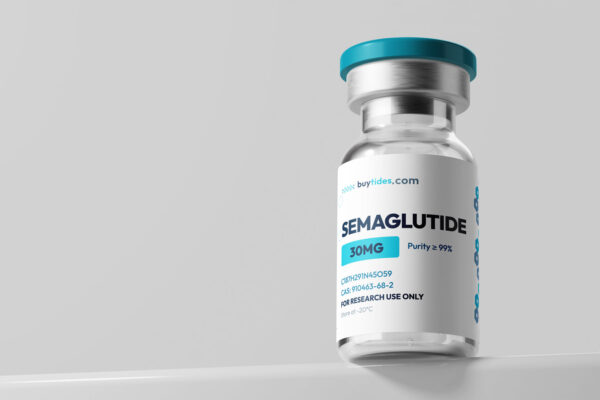
Semaglutide is a GLP-1 receptor agonist and the best-studied drug in its class. It mimics glucagon-like…
GLP & Metabolic Peptides
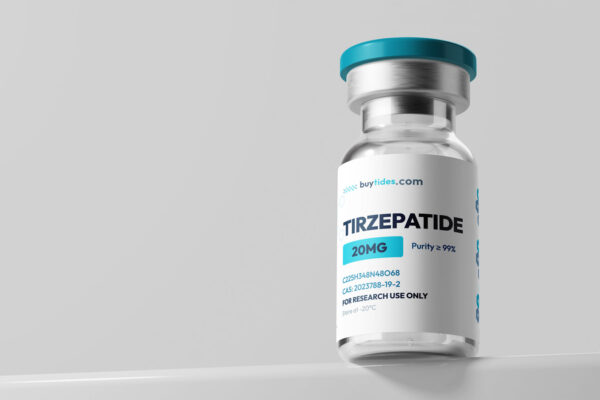
Tirzepatide is a dual-acting peptide that activates two incretin receptors instead of one: GLP-1 and GIP.…
Peptides
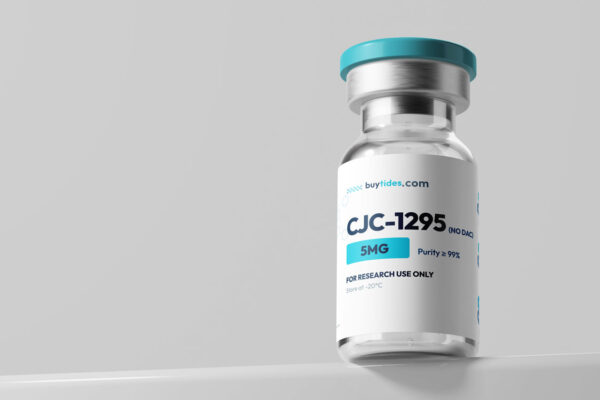
CJC-1295 No DAC is a synthetic analog of the GHRH (1-29) peptide sequence, engineered for greater…
Brain & Cognition
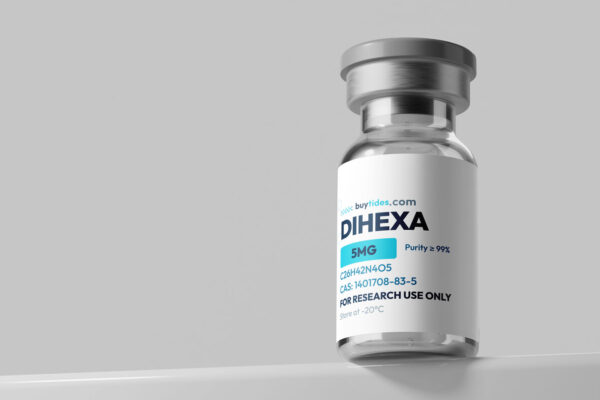
Dihexa is a small-molecule angiotensin IV analog investigated in neuroscience research for its role in synaptogenesis…
Anti-Aging & Longevity
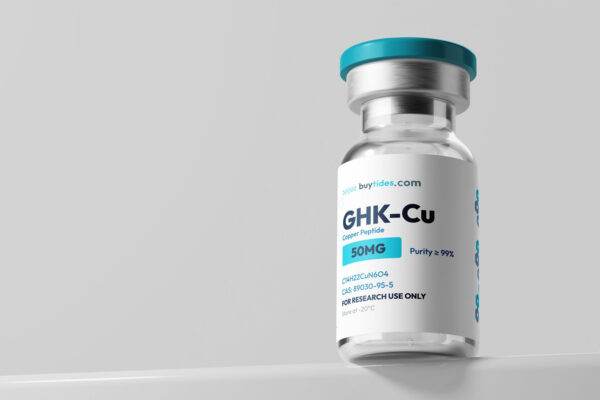
GHK-Cu is a naturally occurring copper-binding tripeptide found in human plasma, saliva, and urine. Plasma levels…
Metabolic & Body Composition
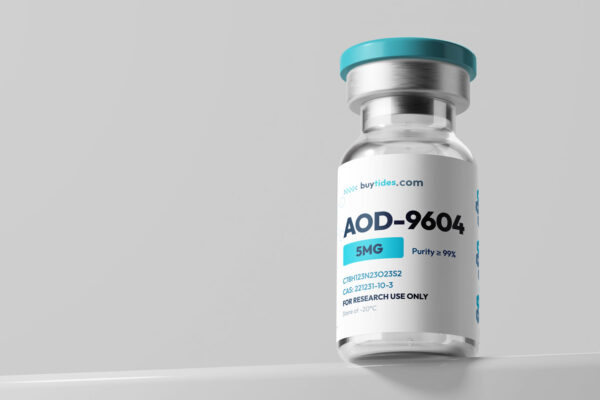
AOD-9604 is a fragment of human growth hormone (HGH): specifically the section responsible for fat metabolism,…
Gut & Inlammation
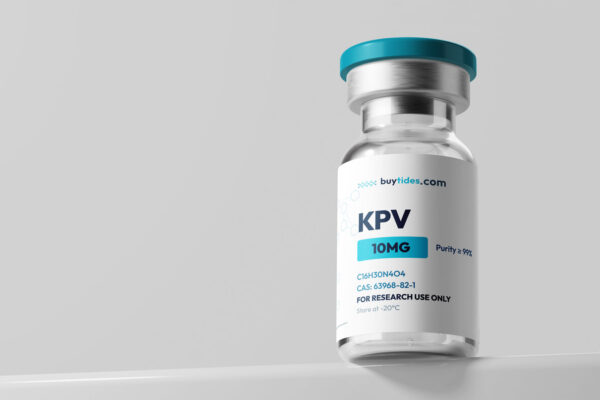
KPV is a synthetic tripeptide composed of lysine, proline, and valine (Lys-Pro-Val), used in laboratory research…
Join the researcher list for restock alerts, COA updates and a 10% code on your first order.
Shop Peptides